Aging SCADA Systems Are Creating New Risks. Here’s Why Now Is the Time to Modernize.
Industry · 2026-06-03
By Denton Sachs, Technical Operations Specialist
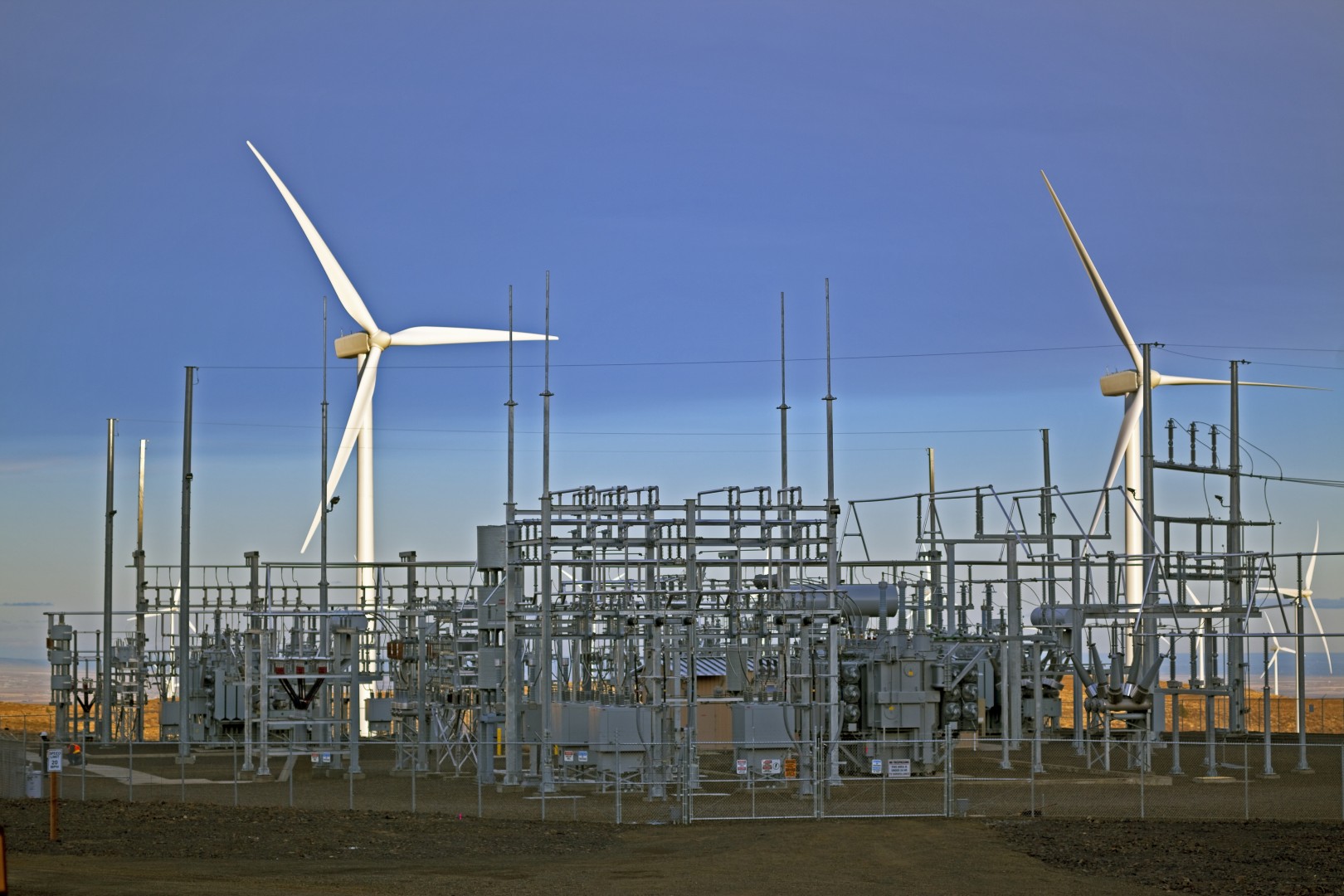
“Many legacy SCADA systems were built for a world of isolated networks. Today’s threat landscape demands systems designed for connectivity, resilience, and cybersecurity.”
For decades, SCADA systems have served as the operational backbone of electric utilities, water systems, industrial facilities, pipelines, and other critical infrastructure. Many of these systems were designed during a time when operational networks were isolated, remote access was limited, and cybersecurity threats were relatively uncommon.
That world no longer exists.
Today, cybercriminals, ransomware groups, and nation-state actors actively target critical infrastructure organizations. At the same time, many facilities continue to operate SCADA platforms that were installed 10, 15, or even 20 years ago. While these systems may still perform their core operational functions, they often lack the security features required to defend against modern threats.
For utility operators and facility managers, SCADA modernization is no longer simply a technology upgrade. It has become a critical component of operational resilience and risk management.
The Threat Environment Has Changed
Historically, SCADA systems benefited from being isolated from external networks. Operators could reasonably assume that only authorized personnel had access to control systems and field devices.
Modern operations require much greater connectivity. Remote engineering access, cloud-based analytics, enterprise integration, mobile devices, and third-party vendor support have become standard business requirements.
While these technologies improve efficiency and visibility, they also increase exposure to cyber threats.
Attackers no longer focus solely on stealing information. Increasingly, they seek to disrupt operations, lock out operators, compromise industrial processes, or create costly downtime. Critical infrastructure organizations have become attractive targets because even a short interruption can have significant financial and public safety consequences.
Legacy Systems Were Not Designed for Today's Security Requirements
Many aging SCADA platforms were developed before cybersecurity became a primary design consideration. As a result, organizations often discover vulnerabilities such as:
Unsupported operating systems
Unencrypted communications
Weak authentication methods
Shared operator accounts
Limited event logging
Lack of network segmentation
Inability to integrate with modern cybersecurity monitoring tools
Even when organizations maintain strong IT security programs, legacy operational technology can remain a weak point within the environment.
The challenge becomes even greater when replacement parts become difficult to source and experienced personnel familiar with older systems begin to retire.
Compliance Expectations Continue to Grow
Cybersecurity requirements continue to evolve across the utility and industrial sectors.
Regulators, customers, insurers, and stakeholders increasingly expect organizations to demonstrate that critical systems are protected against cyber threats. Security assessments, vulnerability management, incident response planning, and asset visibility have become standard expectations.
Organizations operating outdated SCADA platforms may find it more difficult to satisfy security audits, meet compliance objectives, or obtain favorable cyber insurance coverage.
Modernization projects provide an opportunity to address these concerns while establishing a stronger foundation for future operations.
Modern SCADA Platforms Deliver Operational Benefits
Cybersecurity is often the catalyst for modernization, but it is rarely the only benefit.
Today's SCADA solutions offer capabilities that simply were not available when many legacy systems were installed. These improvements can include:
Improved operator visualization and situational awareness
Advanced alarm management
Enhanced system reliability and redundancy
Secure remote access capabilities
Better integration with enterprise systems
Expanded analytics and reporting functions
Improved support for predictive maintenance initiatives
Greater scalability for future expansion
Many organizations find that operational improvements alone help justify a significant portion of the investment.
A Practical Path Forward
Modernization does not necessarily require a complete replacement of every device and system.
Many successful projects are executed in phases, beginning with the highest-risk assets and critical infrastructure components. This approach allows organizations to improve security, maintain operational continuity, and manage capital expenditures effectively.
A comprehensive assessment can help identify vulnerabilities, prioritize upgrades, and establish a roadmap that aligns with operational and budgetary objectives.
The Time to Act Is Now
Critical infrastructure organizations face increasing pressure to maintain reliability while defending against a rapidly evolving cyber threat landscape.
An aging SCADA system may continue to function, but functionality alone is no longer enough. Security, resilience, visibility, and long-term supportability are now equally important considerations.
Organizations that invest in modernization today will be better positioned to reduce cyber risk, improve operational performance, and support future growth.
The most expensive SCADA upgrade is often the one that happens after a preventable incident. The best time to modernize is before that day arrives.
Telex Is A Critical Partner In A Complex World.
Choosing the right modernization partner is just as important as selecting the right technology. Telex delivers turnkey SCADA solutions backed by dedicated teams that support every phase of the project—from engineering and design to implementation and ongoing support. Our ability to manage the entire process helps reduce complexity, minimize operational disruption, and ensure projects are completed efficiently and securely.
Organizations that invest in modernization today and partner with an experienced provider like Telex will be better positioned to reduce cyber risk, improve operational performance, and support future growth.
About the Author
Systems Protection and Control professional with 16 years of experience delivering complex, high-value projects across transmission, distribution, generation, and nuclear power environments.